
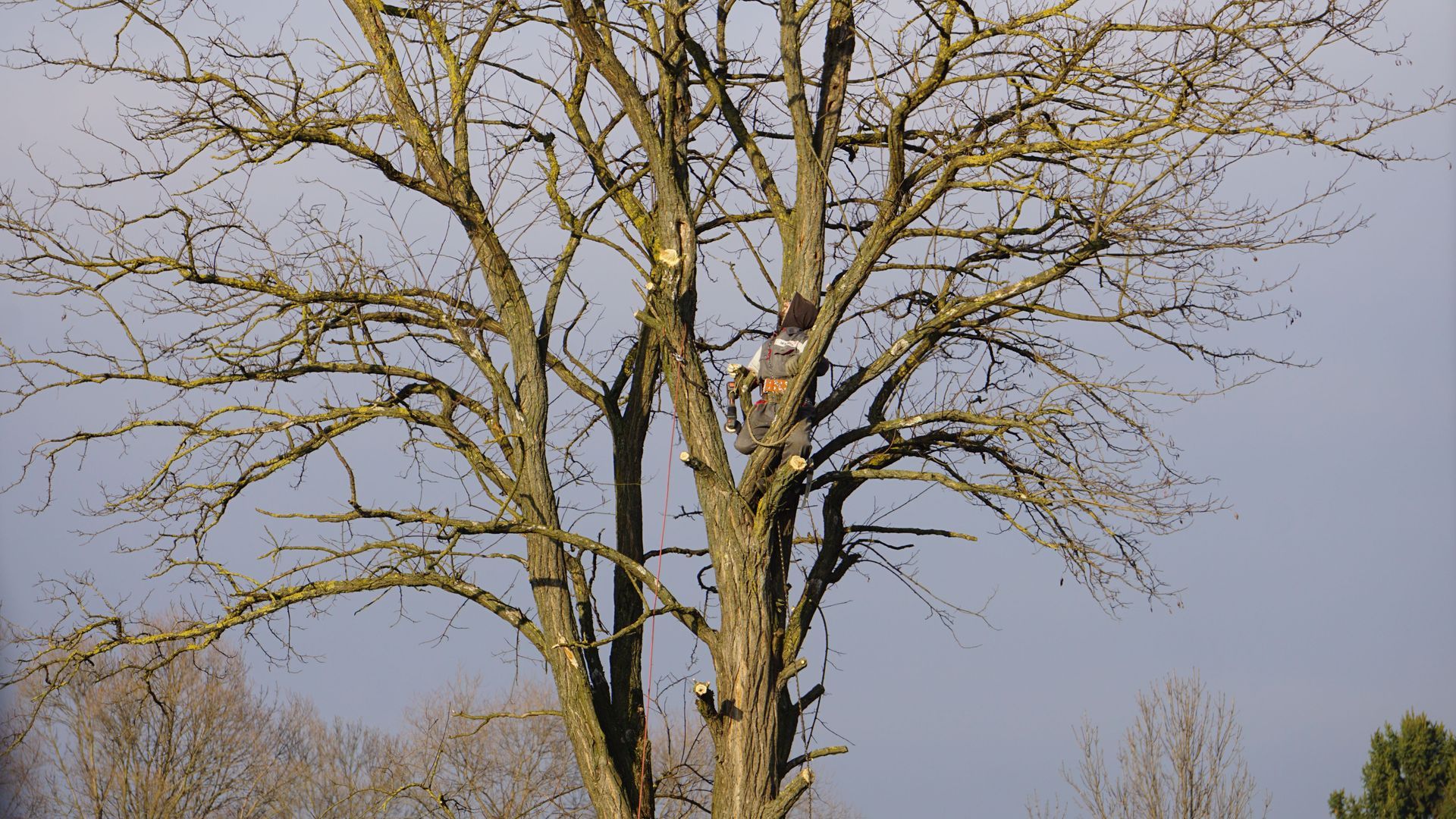
Regular tree pruning can play an important role in maintaining healthy, attractive, and safe trees. However, pruning is more complicated than simply cutting away branches. Improper cuts can damage a tree, encourage disease, and create structural problems. Professional tree pruning allows trained arborists to evaluate the condition and structure of your trees and determine which branches should be removed. At Tree of Life Trimming Services, our local arborists are happy to answer your questions about professional tree pruning in the greater Denver area. Why Is Professional Tree Pruning Important? Professional pruning can improve a tree’s structure, appearance, and overall health. Removing dead, damaged, diseased, and poorly positioned branches can reduce potential hazards while allowing the tree to direct resources toward healthy growth. Strategic pruning can also improve airflow and sunlight penetration through the canopy. An experienced arborist understands how different tree species respond to pruning and can use appropriate techniques to avoid unnecessary damage. How Do I Know If My Trees Need Pruning? Several signs can indicate that a tree may benefit from professional pruning. Dead or broken branches, branches rubbing against each other, excessive growth, and branches growing toward structures may all warrant attention. Trees with dense canopies or weakly attached limbs may also require pruning to improve their structure. An arborist can inspect the tree and recommend pruning based on its species, condition, location, and growth patterns. Can Pruning Make Trees Safer? Strategic pruning can reduce some risks associated with dead, damaged, and structurally weak branches. Removing hazardous limbs may decrease the likelihood of branches falling during storms. Pruning can also help maintain appropriate clearance from roofs and utility lines. A professional arborist can identify potentially hazardous branches and determine the safest approach for addressing them. How Often Should Trees Be Professionally Pruned? There is no single pruning schedule that applies to every tree. Factors such as species, age, health, growth rate, location, and previous pruning history can all affect how frequently a tree should be evaluated and pruned. Rather than relying on a fixed schedule, homeowners should have their trees inspected periodically by a professional. Regular evaluations can help identify developing problems and determine when pruning is appropriate. Where Can I Find Professional Tree Pruning in Greater Denver? For expert tree pruning in Denver, Fort Lupton, and the surrounding area, contact Tree of Life Trimming Services at (983) 223-4246. Feel free to give us a call to ask for an arborist estimate in greater Denver!
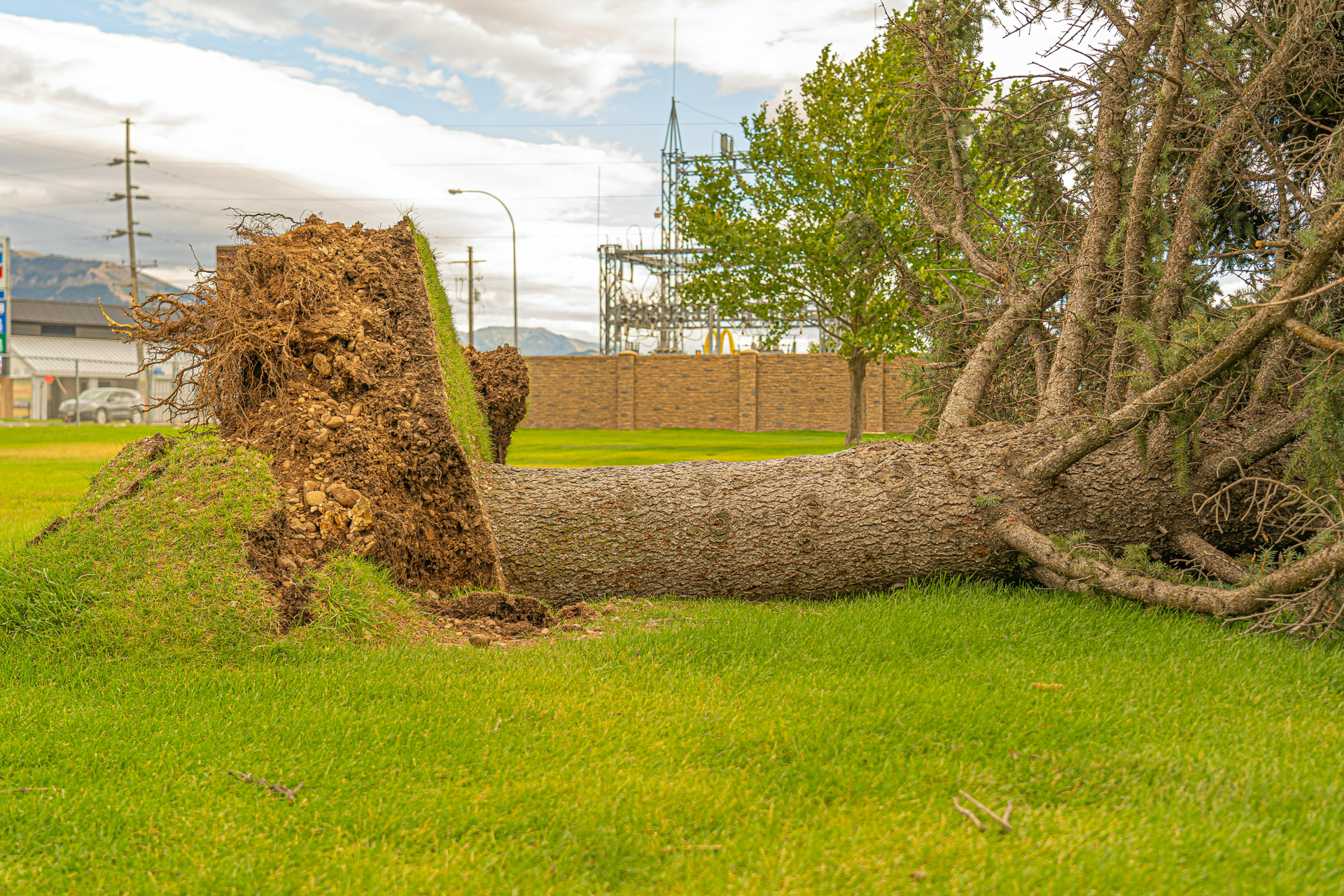
A shifting or weakening tree can become a serious hazard. Structural problems involving the trunk, branches, or roots can increase the likelihood of a tree collapsing, particularly during storms. Some warning signs may be visible from the ground, while others require a professional evaluation to identify. Recognizing potential hazards early can help protect people and property. At Tree of Life Trimming Services, our local arborists provide hazardous tree identification and removal in the greater Denver area. Here are four warning signs that a tree may be at increased risk of collapsing. A Significant or Sudden Lean Some trees naturally grow at an angle, but a new or worsening lean can indicate a serious stability problem. A tree that suddenly begins leaning may be dealing with root damage, soil erosion, storm damage, or structural failure. The risk can be particularly concerning when the tree is leaning toward a house, driveway, sidewalk, or other frequently occupied area. A professional arborist should evaluate any tree with a significant change in its position. Cracks in the Trunk or Major Branches Deep cracks and large cavities can weaken a tree's structural integrity. Cracks may develop because of storms, heavy branches, disease, or internal stress. When significant cracks occur in the trunk or major limbs, portions of the tree may become more likely to break. Professional evaluation can help determine how serious the structural problem may be. Damaged or Decaying Roots A healthy root system provides much of a tree's stability. Construction activity, excavation, erosion, disease, and severe weather can damage roots and compromise the tree's ability to remain upright. Signs of potential root problems include exposed roots, soil heaving, cracks in the ground around the tree, and fungal growth near the base. Because much of the root system is underground, professional assessment is often necessary. Signs of Decay or Disease Fungal growth, peeling bark, cavities, and extensive dead wood can indicate decay or disease. Internal deterioration may weaken important structural portions of a tree without being immediately obvious. If decay affects the trunk or major supporting branches, the tree's risk of failure may increase significantly. An experienced arborist can assess the tree and recommend appropriate action. Hazardous Tree Removal in Denver, CO For expert tree removal in Denver , Fort Lupton, and the surrounding area, contact Tree of Life Trimming Services at (720) 518-3853. Feel free to give us a call to arrange an arborist estimate in greater Denver!
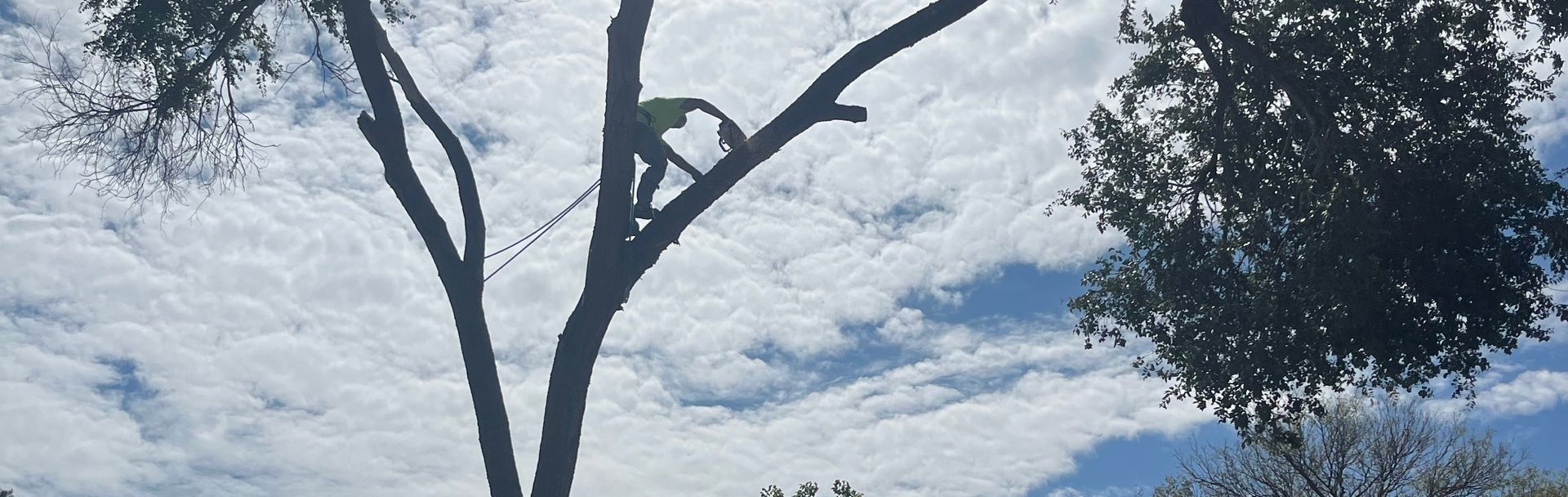
Generally, it’s best if trees can remain standing. However, there are times when removing a tree is the safest and most practical option. Whether a tree is dead, diseased, storm-damaged, or growing too close to a structure, professional tree removal helps eliminate potential hazards while protecting your property. If you're considering this service, you likely have a few questions. At Tree of Life Trimming Services, our local arborists are happy to answer your questions about tree removal in the greater Denver area. When Should a Tree Be Removed? Tree removal may be necessary for several reasons. Dead or dying trees often become unstable and are more likely to drop branches or fall suddenly. Trees with severe disease, extensive storm damage, significant leaning, or major structural issues may also require removal. In some cases, healthy trees are removed because they interfere with construction projects or are damaging sidewalks, driveways, or foundations. A professional arborist can evaluate the tree and determine whether removal is the best option or if pruning or treatment may be sufficient. Is Professional Tree Removal Really Necessary? Removing a tree is much more dangerous than many homeowners realize. Unpredictable falling limbs, hidden decay, nearby structures, and power lines all increase the risk of injury or property damage. Professional tree removal companies have the specialized equipment, safety gear, and training needed to safely remove trees in a controlled manner. Hiring experienced professionals greatly reduces the risk of accidents and costly mistakes. What Happens During the Tree Removal Process? The process begins with a thorough inspection of the tree and surrounding property. Based on the tree's size, condition, and location, the crew develops a safe removal plan. In many cases, the tree is carefully dismantled one section at a time. Once the tree has been safely removed, the crew removes debris and cleans up the work area before leaving. Can the Stump Be Removed Too? Yes. Stump grinding or complete stump removal are offered as part of the service. Grinding the stump below ground level improves your property's appearance, eliminates tripping hazards, discourages insect infestations, and allows you to replant grass or install new landscaping. Removing the stump also prevents unwanted shoots from growing from the remaining roots. Where Can I Find Professional Tree Removal in Denver? For expert tree removal in Denver , Fort Lupton, and the surrounding area, contact Tree of Life Trimming Services at (720) 518-3853. Feel free to give us a call to arrange an arborist estimate in greater Denver!
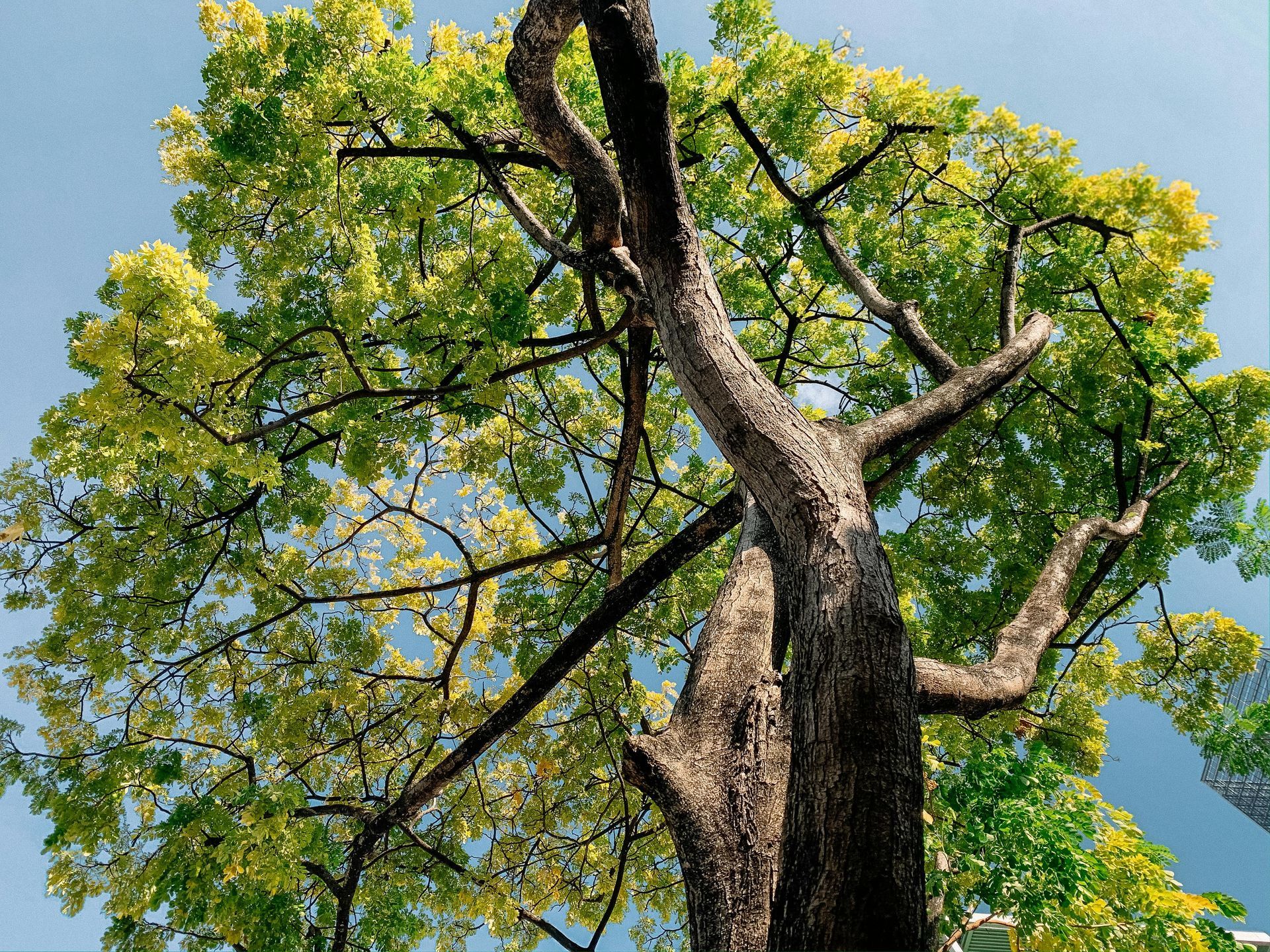
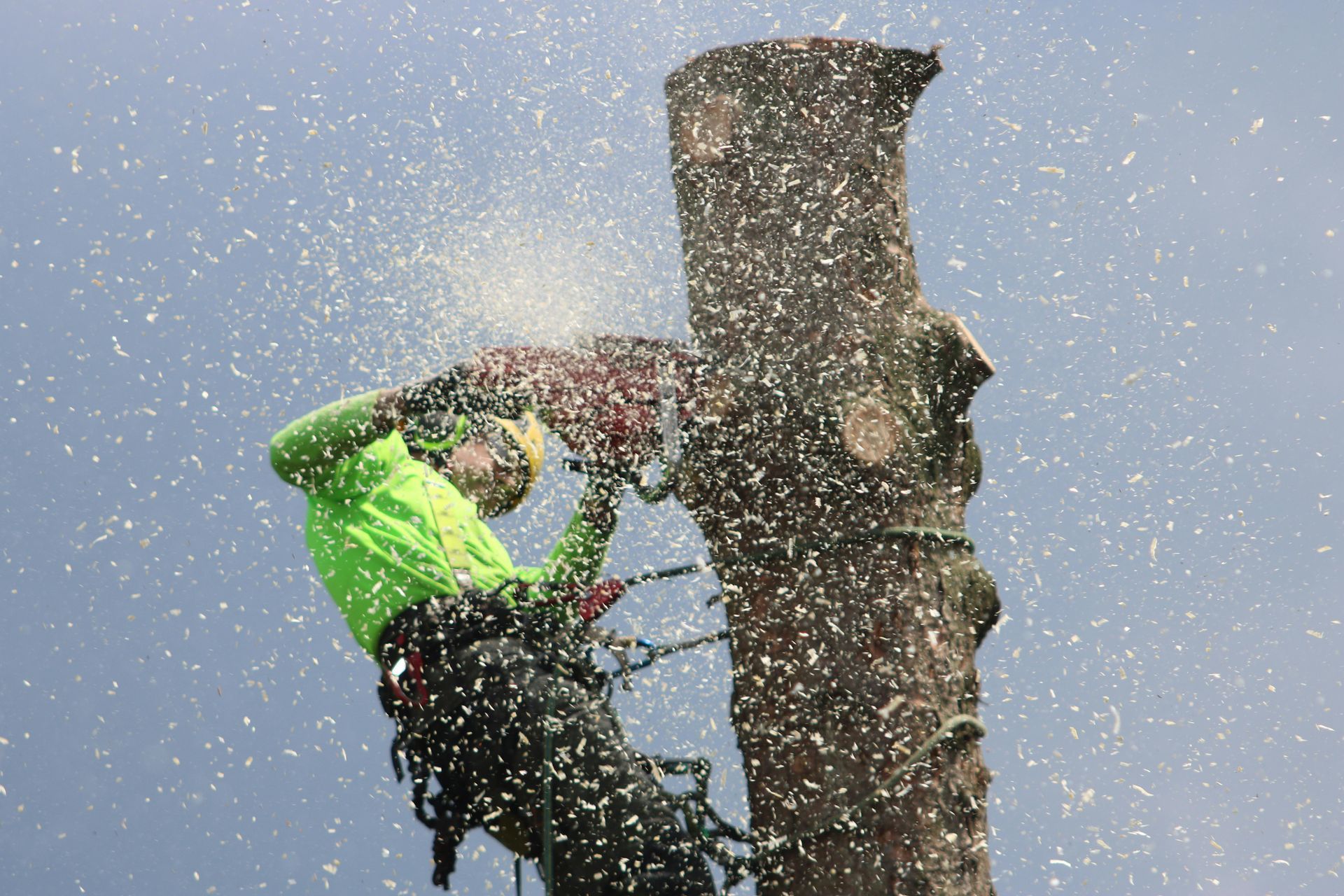
Tree pruning is an important part of maintaining healthy, attractive, and safe trees on your property. While some homeowners may consider trimming trees themselves, improper pruning can lead to long-term damage and safety risks. Experienced arborists understand how to properly care for different tree species and use specialized techniques to improve tree health and structure. At Tree of Life Trimming Services, our local arborists provide expert tree pruning in the greater Denver area. Here’s a look at why hiring a professional for your tree pruning needs is worth it. Promotes Healthier Tree Growth Experienced arborists know how to prune trees in ways that encourage healthy growth and long-term stability. Removing dead, diseased, and overcrowded branches allows the tree to direct nutrients toward stronger and healthier limbs. Proper pruning also improves airflow and sunlight penetration throughout the canopy, which can reduce the risk of disease and pest problems. Skilled pruning techniques help trees remain healthier and more attractive. Improves Property Safety Weakened branches can create serious safety hazards, especially during storms. Dead limbs may fall unexpectedly and damage homes, vehicles, fences, or power lines. Professional arborists can identify potentially dangerous branches and remove them safely before they become a larger problem. Enhances the Appearance of Your Landscape Well-maintained trees can significantly improve the appearance of a property. Professional pruning helps shape trees properly while removing unattractive and overgrown branches that affect curb appeal. Arborists can also prune trees to complement nearby landscaping and improve overall balance within the yard. Avoid Injury Risk Tree pruning often involves climbing, heavy equipment, and potentially dangerous cutting tools. Attempting to handle large pruning jobs without proper training can increase the risk of injury. Experienced arborists have the equipment, knowledge, and safety training needed to complete the work safely. Hiring a professional allows homeowners to avoid unnecessary risks while ensuring the job is done correctly. Tree Pruning in Denver For expert tree pruning in Denver, Fort Lupton, and the surrounding area, contact Tree of Life Trimming Services at (720) 518-3853. Feel free to give us a call to arrange an arborist estimate in greater Denver!
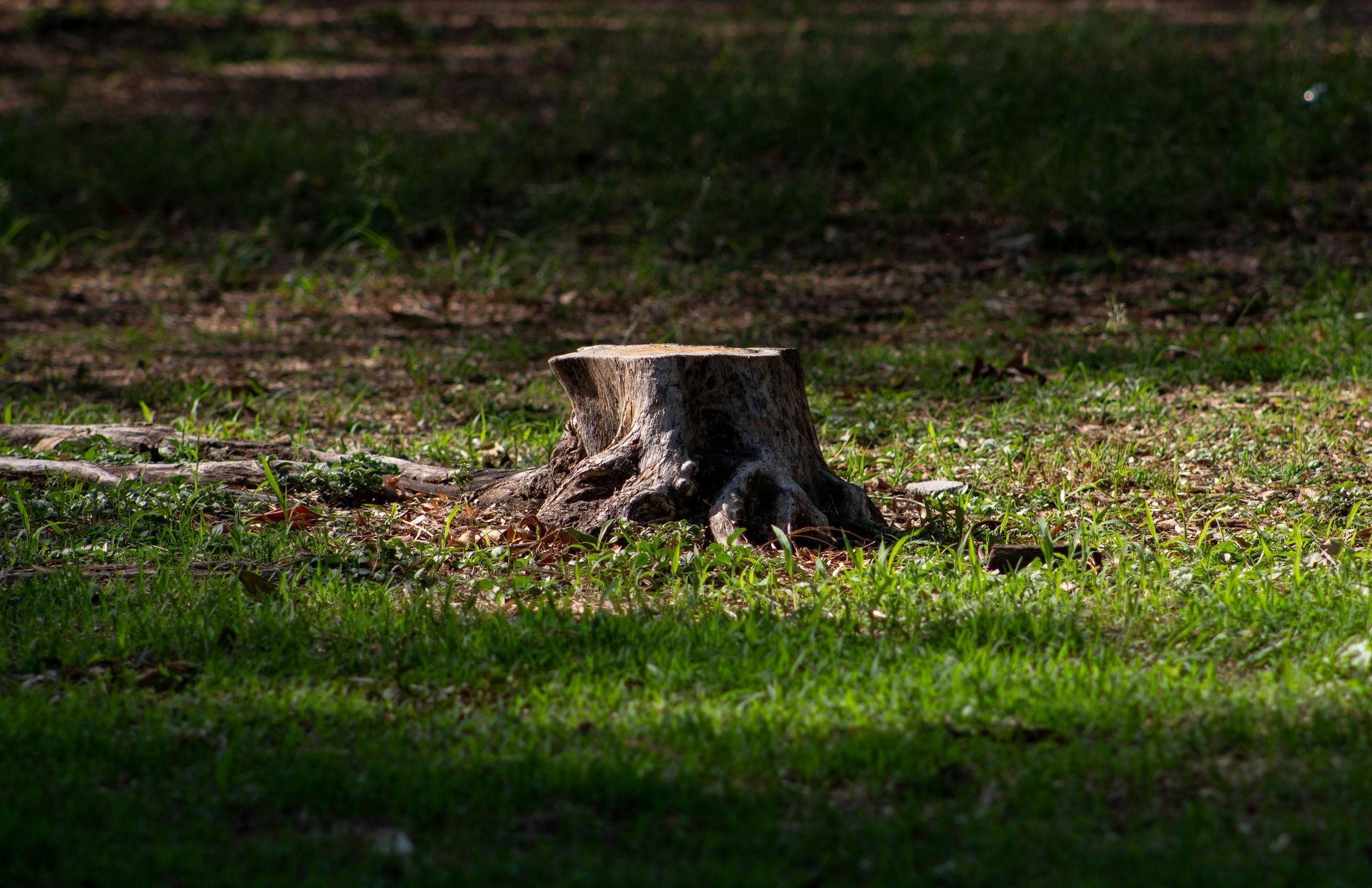
After a tree is cut down, it’s easy to think the job is finished. However, the remaining stump can create a range of problems for your property if it’s left in place. While it may seem harmless at first, a tree stump can affect everything from safety to curb appeal and even the health of your landscape. Removing it is often the best way to fully complete the job. At Tree of Life Trimming Services, our local arborists provide expert stump grinding and removal in the greater Denver area. Here are five important reasons to remove tree stumps. Improve Safety Around Your Property Tree stumps can be a serious tripping hazard, especially in areas where people walk, play, or mow the lawn. They can be difficult to see in tall grass or low light, increasing the risk of accidents. Removing the stump helps create a safer environment and reduces the risk of damage to lawn equipment. Enhance Curb Appeal A leftover stump can make your yard look unkempt. Even a well-maintained landscape can lose its visual appeal if a stump is left behind. Removing it allows you to create a cleaner look and gives you the opportunity to repurpose the space. Prevent Pest Infestations Decaying tree stumps can attract pests such as termites, ants, beetles, and other wood-boring insects. Over time, these pests may spread across your property. Removing the stump eliminates a potential breeding ground and helps protect your property from infestations. Stop Unwanted Tree Growth In some cases, a tree stump can continue to produce new shoots. These can grow into scaggly little trees, drawing nutrients from the soil and making your yard harder to maintain. Removing the stump ensures that the tree is fully eliminated and prevents ongoing growth issues. Free Up Usable Space A stump takes up valuable space that could be used for other landscaping features, such as planting grass, installing a garden, or adding outdoor living elements. Removing it opens up new possibilities for customizing your yard to better suit your needs. Stump Grinding and Removal in Denver For expert stump removal in Denver , Fort Lupton, and the surrounding area, contact Tree of Life Trimming Services at (720) 518-3853. Feel free to give us a call to arrange an arborist estimate in greater Denver!
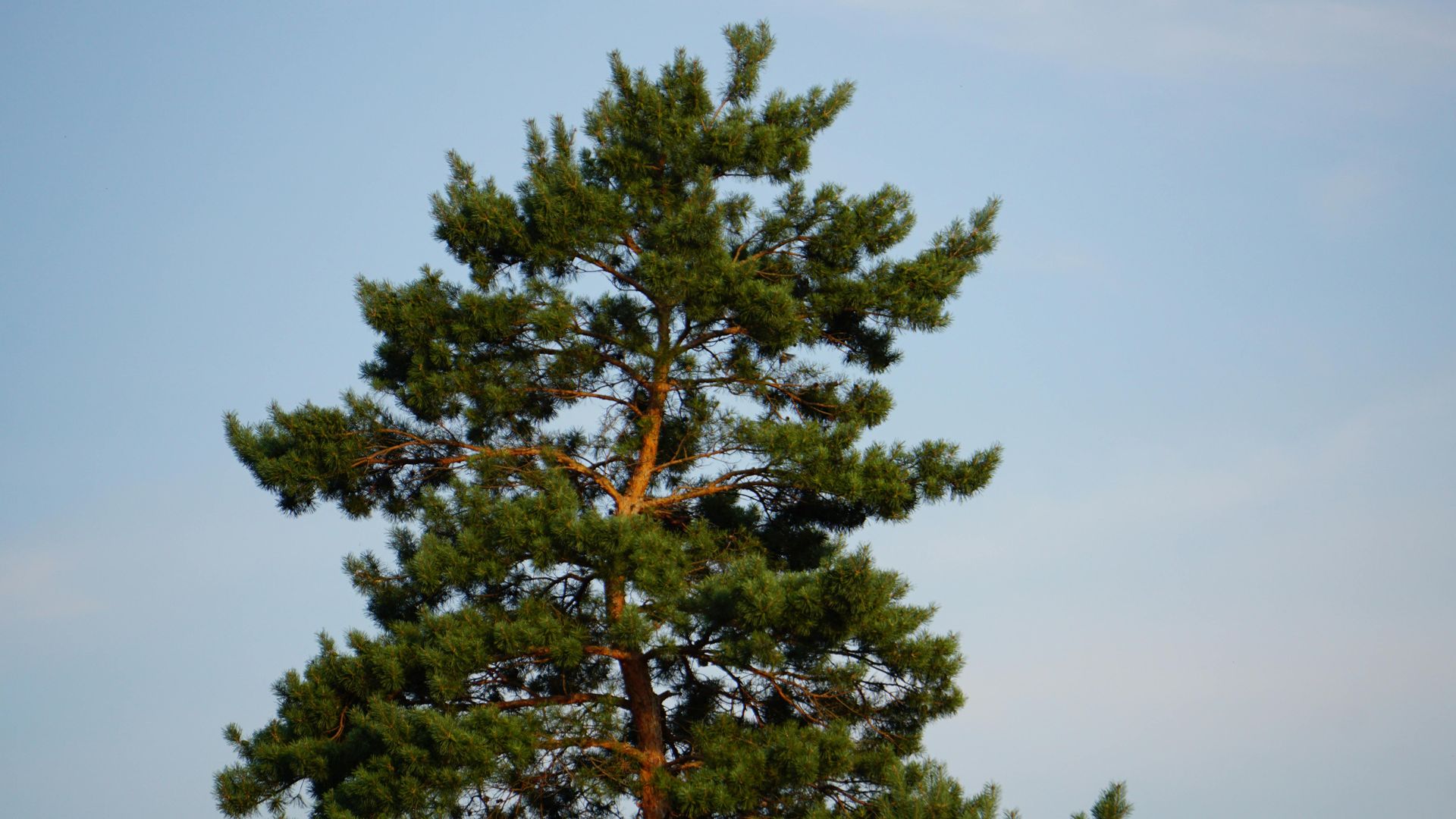
Ponderosa pines are an iconic part of the Northern Colorado landscape, valued for their height, shade, and resilience. At Tree of Life Trimming Services, based in Fort Lupton, we regularly work with homeowners who want to keep their Ponderosa pines healthy, safe, and thriving despite challenging environmental conditions. Understanding common diseases and taking proactive steps can make a major difference in the long-term health of these trees. Common Diseases Affecting Ponderosa Pines Ponderosa pines in Northern Colorado are susceptible to several diseases, including needle cast, Diplodia tip blight, and root rot. These issues often develop due to moisture stress, compacted soil, or poor air circulation within the canopy. Early symptoms may include browning needles, dieback at branch tips, or thinning foliage, all of which should be addressed promptly to prevent further decline. The Importance of Proper Watering and Soil Health Improper watering is one of the most common contributors to disease in Ponderosa pines. Overwatering can lead to root rot, while drought stress weakens the tree’s natural defenses. Maintaining well-draining soil, avoiding soil compaction near the root zone, and watering deeply but infrequently can help support strong root systems and reduce disease risk. How Pruning Helps Prevent Disease Strategic pruning plays a key role in protecting Ponderosa pines from disease. Removing dead, damaged, or infected branches improves airflow and reduces the spread of fungal pathogens. Proper pruning also helps the tree allocate energy more efficiently, supporting healthier growth and reducing stress during extreme weather conditions common in Colorado. Early Detection and Professional Tree Care Routine inspections are essential for catching disease before it becomes severe. Discoloration, sap leakage, or unusual needle loss can signal underlying issues. Professional tree care allows for accurate diagnosis and targeted treatment plans that protect both the affected tree and surrounding landscape. Protecting Your Trees for the Long Term Healthy Ponderosa pines enhance property value, improve air quality, and provide lasting beauty. At Tree of Life Trimming Services in Fort Lupton, CO, our Denver arborists help property owners throughout Northern Colorado protect their trees through proactive care, expert pruning, and disease management strategies. If you’re concerned about the health of your Ponderosa pine, call (720) 518-3853to schedule a tree health evaluation near Denver and keep your trees strong for years to come.